Moving Day Essentials Box: What to Keep With You
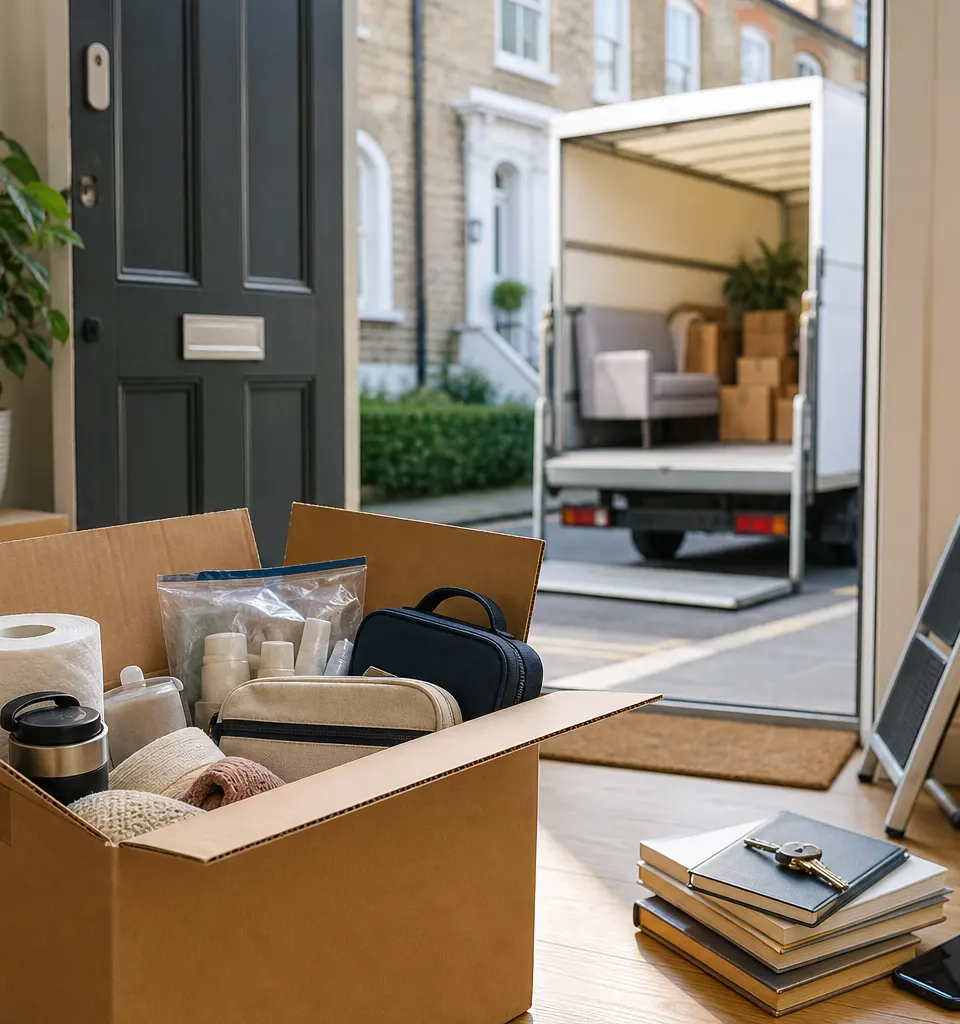
Moving Day Essentials Box: What to Keep With You
When you're moving house in London, a single well-packed essentials box (or bag) makes the difference between a calm first evening and a panicked scramble for chargers, documents and toothpaste. This guide explains what to include, how to pack it, and how to keep it accessible on moving day.
Why you need a moving day essentials box
The essentials box is the kit you keep with you rather than sending on the van. It prevents small but important items from being temporarily lost in the moving shuffle and covers the first night in your new place. Put simply: the essentials box saves time, stress and last-minute runs to the shops.
How to choose the right container
- One easy-to-carry box or bag: A strong plastic box with a lid or a zipped holdall works best — waterproof and stackable where possible.
- Label clearly: Mark it 'ESSENTIALS - DO NOT LOAD ONTO VAN' if you’re handing items to movers so they know it must travel with you.
- Accessibility: Keep it in your car, hand luggage or with a designated person in your household on moving day.
Core contents: what every essentials box should include
Below are categories and specific items to help you build a comprehensive essentials box. Tailor it to your household — families, older relatives or pet owners will need extra items.
1. Important documents and money
- Tenancy agreement or mortgage documents
- Photo ID (passport, driving licence)
- Bank cards and some cash
- Moving company paperwork and contact numbers
- House keys (new and old), key organiser
2. Valuables and small electronics
- Jewellery and small keepsakes
- Laptop, phone and tablets
- Chargers, power bank and extension lead
- USB sticks or external drives with important files
3. Toiletries and personal care
- Toothbrush, toothpaste, soap or shower gel
- Roll of toilet paper and hand sanitiser
- Towels and a change of clothes for each household member
- Basic first-aid items (plasters, pain reliever, any prescribed medicines)
4. First-night and kitchen basics
- Tea bags, coffee, sugar, a kettle or a travel mug if you have one
- Snacks that don’t need cooking (nuts, cereal bars, crisps)
- Plates, cutlery and a mug or two — either reusable or disposable
- Bin bags and cleaning cloth or kitchen roll for quick tidy-ups
5. Tools and home essentials
- Small tool kit: screwdriver, hammer, adjustable wrench, tape measure
- Socket set or Allen keys for basic furniture assembly
- Torch or headlamp and spare batteries
- Sticky tape, scissors and a permanent marker
6. Kids and pets
- Comfort items, a couple of toys and spare clothes for children
- Pet food, bowls, leads and litter or waste bags for pets
- Any medication and a copy of vaccination details if needed
7. Bedding and night items
- Sheets, duvet, pillows or a sleeping bag and blankets
- Basic items for comfortable first night: eye mask, earplugs
Packing tips for the essentials box
- Keep it compact: You want the box large enough to hold items but small enough to carry easily.
- Use resealable bags: Small items like chargers, medicines and jewellery are easier to find when grouped in clear bags.
- Label sections: Mark compartments inside the box so you can quickly locate documents, medicines and chargers.
- Waterproofing: Put documents and electronics in waterproof pouches if the weather is bad or you expect exposure during loading.
- Keep a checklist: Attach a printed checklist to the lid so you can verify items quickly before leaving the old property.
When to pack the essentials box
Pack core documents and valuables ahead of the main packing — ideally the week before the move. Non-perishable food and first-night bedding can be added the evening before. On moving day, ensure the box is the last thing to leave your previous property so nothing essential is accidentally loaded on the van.
Special considerations for London moves
Moving in London can mean narrow staircases, restricted parking and busy streets. Make sure keys, contact numbers and directions are in your essentials box for quick communication with removal staff. If you expect parking or access challenges, keep a map or photo of your building entrance in the box and note any loading restrictions.
If you book professional packing help
If you’re using a packing service, you can still keep an essentials box of your own. Budget Moves offers dedicated packing services if you prefer professionals to handle the bulk of your belongings — but valuables, documents and the essentials box should travel with you.
Moving day checklist: what to do with the essentials box
- Confirm the essentials box will not be placed on the removal van.
- Keep the box in your car, a friend’s car or carry it with you.
- At the new address, unpack the essentials box first: bedding, toiletries and documents.
- Check utilities and confirm the new property is safe and secure before unpacking other items.
Sample essentials box checklist (printable)
- Keys (old & new)
- ID and important documents
- Cash and bank cards
- Phone, chargers and power bank
- Medication and first aid
- Toothbrush, towel and change of clothes
- Tea/coffee and snacks
- Basic toolkit and torch
- Pet supplies / children’s comfort items
- Sheets and pillows for night one
Common mistakes to avoid
- Loading the essentials box onto the van: Make it clear to movers that this item must remain with you.
- Overfilling: If the box is too heavy, you won’t carry it. Use multiple small bags for fragile or heavy items.
- Leaving documents mixed with packed boxes: Keep all paperwork together in a marked folder or pouch.
Final tips
On the morning of the move, double-check the essentials box contents and the printed checklist. If you’re organising a larger move or want help with packing the rest of your belongings, request a personalised estimate through our easy online form. For moves across London, include details about stairs, parking and access so we can advise on the right level of packing or man-and-van support.
Ready to make moving day easier? Start with a clear essentials box and if you’d like professional packing or removal help, get a quote today: Request a quote.
For more planning tools, see our moving planner and browse other guides in our guides hub. If you’re moving within London, check practical local information on our London area page.
Get a Quote