Moving Day Parking in London: What to Check Before the Van Arrives
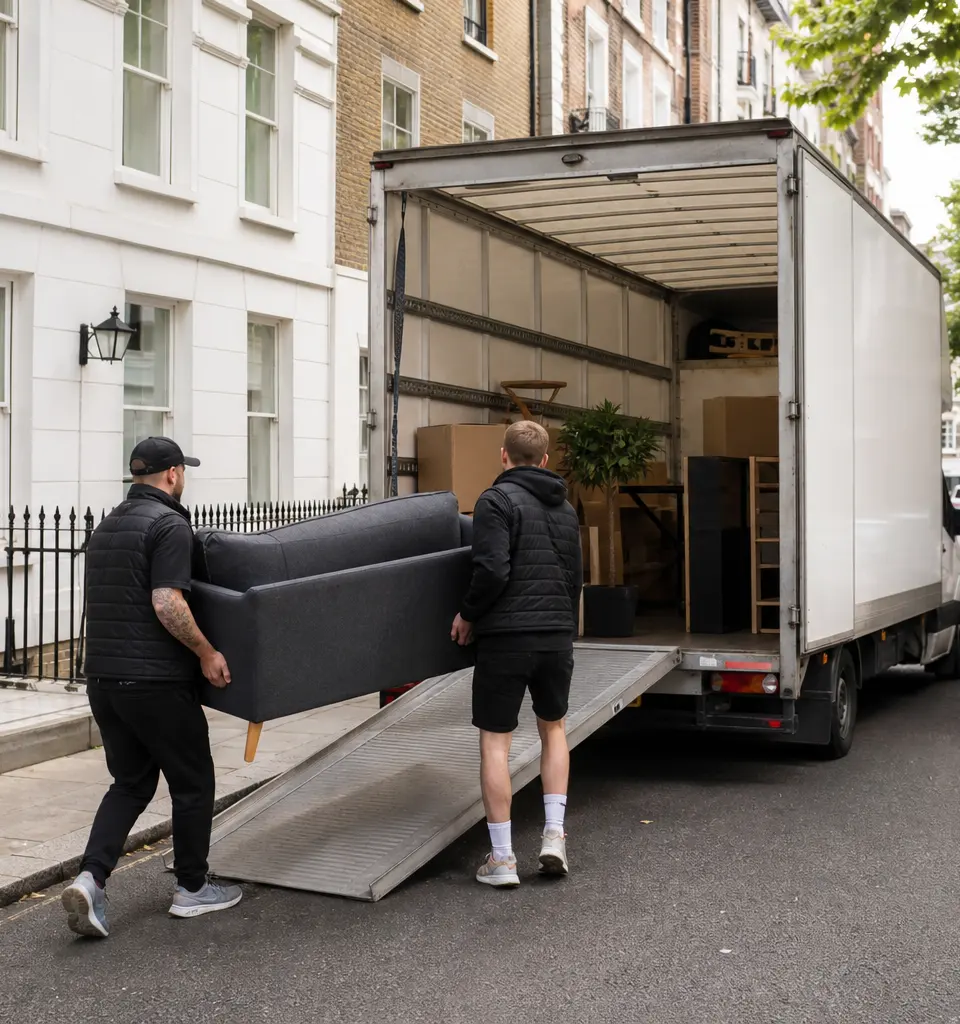
Moving day parking London requires planning. On the day of your move you'll want a safe, legal place for the removal van to park so loading and unloading runs smoothly. This guide explains how to check parking restrictions, when to apply for a temporary suspension, how to plan kerbside loading, and what to ask the companies you match with through Budget Moves before the van arrives.
Quick checklist for moving day parking in London
- Identify the best kerbside spot for the van and check road markings and signs.
- Confirm whether a parking suspension (a temporary prohibition or loading bay booking) is needed.
- Apply for a suspension or temporary loading bay early — councils may need notice.
- Tell the removal company where to park and send photos or a Google Maps pin.
- Arrange a loading plan for stairs, parking meters, resident bays and narrow streets.
- Keep permits, suspension paperwork and contact details to hand on the day.
Understanding common parking restrictions in London
London streets can have many overlapping controls: resident permit bays, pay-and-display bays, loading-only bays, yellow lines and controlled parking zones (CPZs). Key points to check:
Yellow lines and loading times
Single and double yellow lines restrict waiting at certain times. Some stretches allow loading for short periods (often indicated on nearby signs). Make sure you read the sign nearest the bay to check whether short-term loading is permitted at your intended time.
Loading bays and dedicated loading times
Loading bays are marked for commercial loading during specific hours. Outside those hours they may become general parking. If the move falls inside a loading bay time window, you may be able to use it without a suspension — but always confirm the displayed rules.
Resident and shared-use bays
Resident permit bays and shared-use bays are often enforced strictly. A removal van without the correct permit risks a penalty. If the only practical place to stop is a resident bay, you'll probably need a suspension.
When to apply for a parking suspension
A suspension (sometimes called a temporary parking restriction or 'bay suspension') is a legal notice that reserves space for your vehicle or loading activity. You should consider one if:
- The van must park in a resident or shared-use bay.
- The street has double yellow lines with no permitted loading.
- You need a guaranteed space for a long period during the move.
- There is high risk of obstruction to traffic, emergency access or bus stops.
How long in advance? Councils' lead times vary. Apply as early as possible — some councils can process same-week requests, but many require several working days' notice. Check your local council's parking pages for the precise application process, fees and lead times.
How to apply for a suspension or temporary bay
- Find the relevant council parking or traffic management page for the street where you need the space.
- Identify the exact location (house number, side of the road, nearest junction).
- Decide the date and time window you need the space; include setup time.
- Submit the online form or phone the council's traffic management team; be ready to pay a fee.
- Display temporary signs and paperwork as instructed by the council — failure to do so can invalidate the suspension.
Note: Some councils use private contractors to install the signs. Budget Moves can help you plan and remind you to request a suspension, but the suspension itself is arranged with the relevant council.
Costs and practicalities
Fees differ between boroughs and depend on the length of time and the size of the area you want reserved. Costs can range from a modest administrative fee for a short suspension to larger sums for multiple hours or wide closures. If cost is a concern, consider these practical alternatives:
- Plan multiple short loading slots near the property rather than one long reservation.
- Use a loading bay during permitted hours and schedule your move accordingly.
- Ask neighbours if you can use a private drive or shared space for temporary loading.
Always budget for the possibility of an enforcement fine if a suspension or permit is not in place.
Practical loading tips on narrow London streets
Narrow streets, restricted access routes and resident-controlled zones increase the logistical challenge. Follow these steps to reduce delays and damage risk:
- Measure furniture and doorways, and share dimensions with the removal company you match with via Budget Moves.
- Create a clear path from van to front door — remove bins, bikes and cars from the route where possible.
- Reserve a place for the van as close as possible to the property, even if it means arranging a short suspension.
- Agree a safe loading and carrying plan, including use of sack trucks, furniture blankets and any necessary spotters.
What to tell the removal company before moving day
When you request quotes and confirm bookings via Budget Moves, provide this information in advance so operators can plan:
- Exact address and best place for the van to stop (attach photos or a Google Maps pin).
- Any access restrictions (low bridges, weight limits, narrow lanes, parking controls).
- Start time and whether you have applied for a suspension or booked a loading bay.
- Stairs, lifts, parking permits and whether the property is above a shop or in a pedestrianised area.
Clear communication helps avoid wasted time and extra charges on the day.
Metered bays, pay-and-display and enforcement
If the only available space is a pay-and-display bay, check the displayed tariffs and enforcement hours. Some metered bays allow longer stays at lower cost than arranging a suspension. Be aware that civil enforcement officers patrol regularly; keep tickets and permits visible and comply with the terms to avoid penalties.
Dealing with special cases
Moving into or out of flats with no immediate kerbside access
If you can't park directly outside a block of flats, speak to your removal company about using a smaller vehicle for the short walk, or arranging multiple short-loading stops. It can be more efficient to break the move into staged carries if suspension is impractical.
Shared private roads and estates
Private roads often have their own rules. Contact the property manager, freeholder or estate office early to request temporary permission for loading or parking. This avoids disputes on the day that could delay the move.
Emergency vehicle access and safety
Never block fire exits, dropped kerbs or disabled access points. Councils and emergency services may require unobstructed access even during short suspensions.
How Budget Moves can help
Budget Moves matches you with local removal companies that understand London parking constraints. When you request quotes via our service, include details about parking, and we will pass those on so operators can give realistic timings and advice. If you also need an end-of-tenancy clean, consider adding Budget Clean to your request so you can get coordinated quotes for both services.
Ready to plan your move? Start here: Get a quote and tell us about parking constraints so providers can prepare before moving day.
Summary: key actions the week before your move
- Walk the street and photograph potential van spots and signs.
- Check local council parking pages to see if a suspension is needed and how to apply.
- Apply for a suspension or booking as early as possible if required.
- Share clear directions and photos with the removal companies you contact.
- Prepare an internal plan for carrying, parking, and any neighbour notifications.
Good planning reduces delays, minimizes costs and keeps your moving day calm. If you need help finding removal companies that handle London parking realities and can advise on suspension needs, start a quote on Budget Moves so matched operators can review the details in advance.
Get a Quote