How to Prepare a Garage or Shed for Moving Day: A Practical Packing Checklist
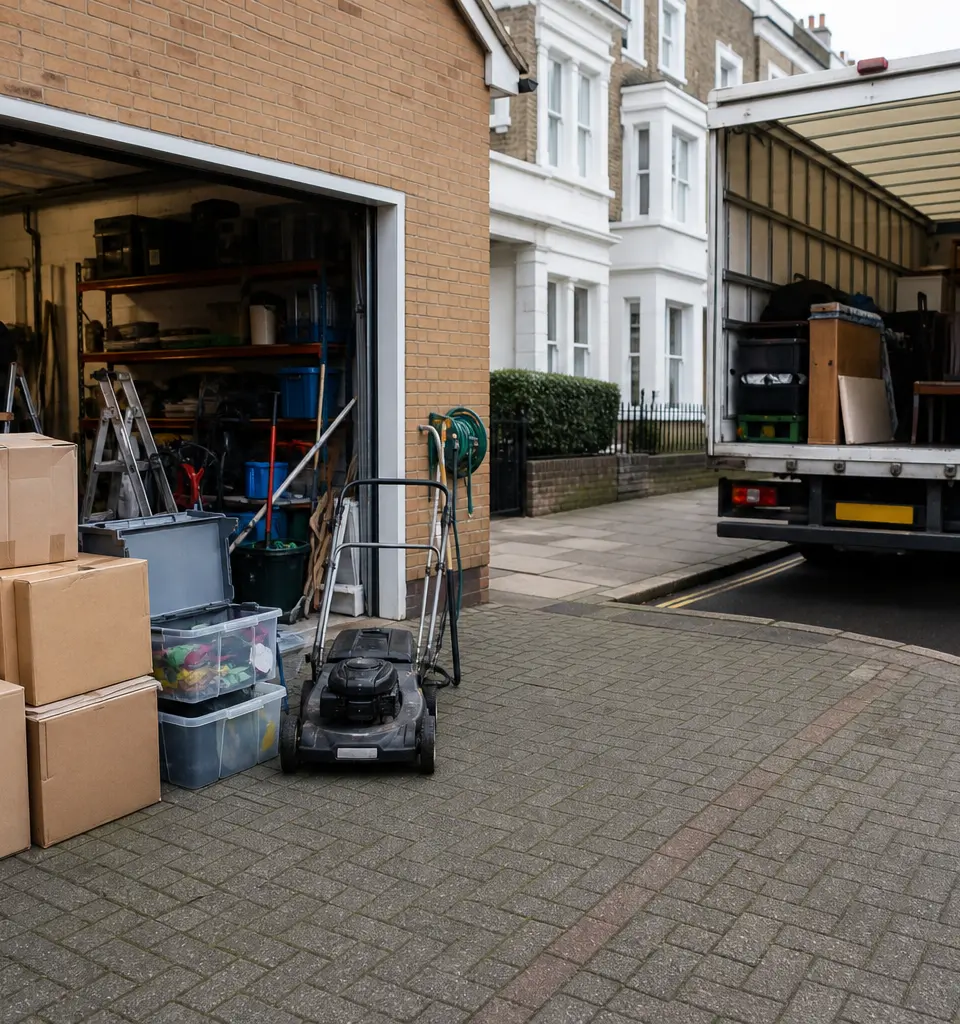
Preparing a garage or shed for a move takes more time than many people expect. These spaces often hold heavy, bulky or hazardous items and a good pre-move plan reduces delays, prevents damage and keeps everyone safe. Below is a practical, step-by-step checklist you can use in the weeks before moving day, plus tips specific to London moves and how Budget Moves can help arrange the right removal support.
Before you start: plan and prioritise
Start at least two weeks before the move if you can. A staged approach saves energy and helps you avoid last-minute hassles.
- Set aside time for a full sort-through; garages and sheds typically take longer than inside rooms.
- Photograph large items and take measurements — height, width, length — so removals can advise on vehicle size and access needs.
- Make a list of items that are hazardous, bulky or likely to need dismantling (mowers, bikes, shelving, pallet racking).
- Decide what will go with you, what will be sold/donated, and what will be disposed of.
Essential tools and materials to have ready
Gather these so you don’t waste time partway through packing:
- Sturdy boxes (small to large) and heavy-duty bins for tools and small parts.
- Bubble wrap, packing paper and strong tape for fragile parts and electrics.
- Marker pens and pre-printed labels for clear labelling.
- Zip-lock bags and labelled tubs for screws, bolts and fittings.
- Ratchet straps or rope to secure bulky items in transit.
- Gloves and eye protection for handling rusty tools or dismantling items.
Step-by-step packing checklist
1. Clear a working area
Create a tidy zone near the shed/garage entrance to sort items into categories: keep, sell/donate, recycle, hazardous waste, landfill. Use tarpaulins or dust sheets to protect possessions from dirt.
2. Deal with hazardous and flammable materials first
Common hazardous items in garages and sheds include petrol, diesel, paint tins, weedkiller, pesticides, engine oil and aerosols. These cannot usually travel with household removals in general-purpose vans.
- Check expiry and condition: damaged containers should be treated as hazardous waste.
- Do not pour liquids down drains or into soil. Use your local household waste recycling centre (HWRC) — most councils in London provide dedicated disposal services for hazardous household waste.
- Label remaining containers clearly and keep them upright in a separate, ventilated bin or tray for transfer on moving day if permitted.
3. Empty fuel from petrol garden equipment
Garden machinery (lawnmowers, leaf blowers, chainsaws) should have fuel drained, or be transported with fuel tanks below the half-full mark following the manufacturer’s guidance. If unsure, arrange professional disposal or storage for fuel before the move.
4. Prepare electrical and power tools
- Remove batteries and store them separately in labelled boxes. Batteries (especially lithium) often have special carriage rules; keep them in original packaging if you have it.
- Perishable oils and greases should be cleaned where possible and packed in sealed containers to avoid leaks.
- Wrap delicate sensors and displays in bubble wrap and pack in small boxes.
5. Dismantle what can be taken apart
Items such as shelving, workbenches, racking and large garden furniture should be dismantled where practical. Keep fastenings in labelled bags and tape these to the main item or put them in a clearly labelled tub.
6. Protect bulky and heavy items
Secure heavy items to prevent shifting in transit. Use moving blankets, ratchet straps and cardboard corner protectors for metal shelving or wooden benches. For very heavy or awkwardly shaped items take photographs showing how they were assembled to help reassembly later.
7. Small parts, fittings and accessories
- Sort screws, bolts, brackets and small fittings into clear, labelled bags.
- Attach these bags to the corresponding larger item with tape or store them together in a labelled tub.
- Keep user manuals and keys with the same labelled system.
8. Secure bicycles, ladders and long items
Deflate tyres slightly for tight vehicle storage, or remove wheels if recommended by the manufacturer. Wrap sensitive components like gears and chains in grease-proof paper and pack with padding where possible.
9. Consider pest control and cleaning
Before packing, sweep and remove nests, webs and debris. If you find evidence of pests, treat or consult a pest-control service. If you need a post-move clean, Budget Clean can be contacted via our site for cleaning enquiries — we can point you to the service page if useful.
10. Label clearly and create an inventory
Label every box and container by room and a short content summary (e.g. “Shed: drill & batteries” or “Garage: screws & fittings”). Keep a simple inventory spreadsheet or photo record. This saves time on arrival and helps prioritize what to unload first.
Moving-day access and logistics in London
Many London moves are constrained by street access, parking and building rules:
- Measure the driveway, gate width and any stair or ramp access at both properties.
- Check whether your local council requires a parking suspension or loading bay permit for a removal vehicle — early research avoids fines and delays.
- Inform neighbours and the building manager (if applicable) about your moving day to keep access clear.
Working with removals professionals
For complex or bulky garage/shed moves you may prefer booked assistance rather than attempting it yourself. Budget Moves can arrange skilled removals or subcontract specialists depending on the job size and items involved. Tell us about hazardous materials and heavy items when you request a quote so we can recommend the right vehicle and manpower. Use our Get a Quote page to start the conversation.
What not to pack or move
- Household hazardous waste (paint, solvents, certain batteries) — check your local HWRC.
- Large quantities of fuel or gas cylinders — these have strict carriage rules.
- Perishable chemicals and biological waste.
After the move: reassembly and disposal
When your items are in the new garage or shed, reassemble large units using your labelled bags and photographs. Dispose of hazardous waste responsibly via local council facilities and donate reusable tools or furniture to local charities.
Quick checklist you can print
- Photograph and measure big items.
- Sort into keep/donate/dispose piles.
- Identify and segregate hazardous materials.
- Drain fuels and remove batteries.
- Dismantle and label; bag fixings.
- Pack small parts into labelled tubs.
- Protect heavy items with straps/blankets.
- Confirm vehicle access and permits for moving day.
- Create an inventory and attach labels to items.
- Book removals support via our Get a Quote form if needed.
How Budget Moves can help
We can advise on packing and logistics for garages and sheds, arrange the right removal professionals and help coordinate any extra services such as dismantling or temporary storage. For more detailed household moving support see our House Removals page and our Packing Services page for specialist packing help. If you need local advice for a London move, our London area page outlines the areas we serve and local considerations.
Ready to get started? Use our online form to tell us about your garage or shed items and request a tailored quote: Get a Quote.
Get a Quote