Moving in Bad Weather: How to Protect Your Belongings When Moving House in London
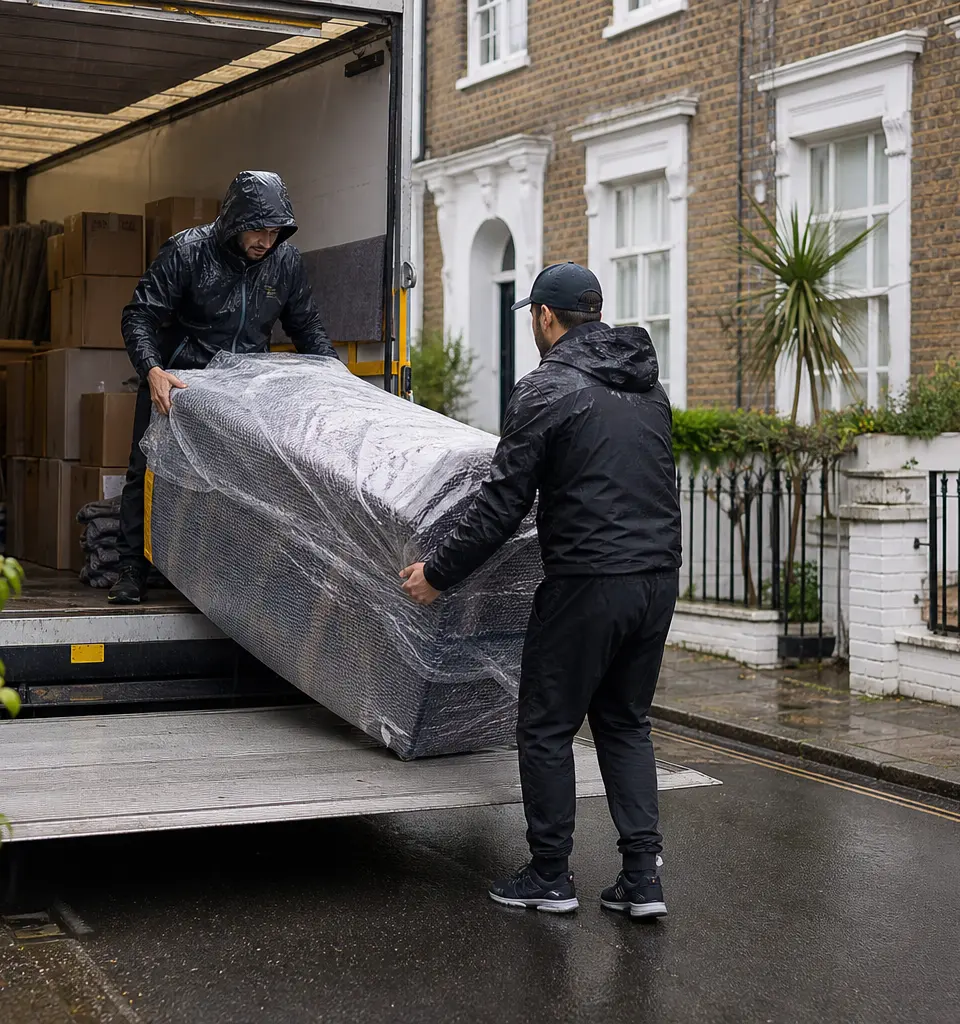
Moving house in bad weather need not be a disaster. With sensible planning, the right materials and a few practical techniques you can protect boxes, furniture and fragile items from rain, wind and snow. This guide explains what to prepare before the day, how to pack and load safely, and what to do on the day to reduce risk and keep your move on track in London.
Can you move house in bad weather?
Yes. Moving in wind, rain, sleet or snow is possible when you anticipate the problems and use appropriate protective measures. The key points are: keep items dry, prevent dirt transfer, protect floors and doorways, and plan for safe vehicle access. If you prefer professional help, Budget Moves provides and arranges removal services across London; the owner sometimes personally carries out selected jobs and we work with trusted removal professionals when needed.
Before moving day: planning and supplies
Preparation reduces stress and damage. Aim to assemble the following supplies at least a few days before the move.
Essential supplies
- Sturdy boxes and bin liners — large heavy-duty black sacks for bulky soft items.
- Waterproof covers — tarpaulins and large plastic sheeting to drape over furniture while moving it across thresholds.
- Mattress covers — specialist quilted or plastic mattress bags to keep mattresses dry and clean.
- Moving blankets and old quilts — cushioning that also helps shed water.
- Packing tape, stretch wrap and strong cardboard to reinforce boxes.
- Floor protection — runners, adhesive stair tape and cardboard sheets to protect floors from wet shoes and mud.
- Non-slip gloves and suitable footwear — boots or shoes with good grip for wet or icy conditions.
- Soft cloths and absorbent towels for quick drying and wiping down items.
- Hand sanitiser and wipes — wet conditions make surfaces grimy and slippery.
Household preparation
- Identify items that cannot get wet (books, paperwork, electronics). Pack these in waterproof boxes or sealable plastic containers.
- Move delicate items and paperwork into an interior room to pack last and load first (so they are kept under cover in transit).
- Disassemble large furniture where possible so it is easier to wrap and manoeuvre through doorways without exposing surfaces to rain.
- Clear a sheltered path from the front door to the van (lay down temporary coverings or runners and remove tripping hazards).
Packing techniques that keep things dry
Packing well in wet weather is more about waterproofing and smart layering than changing your entire process.
Waterproofing basics
- Double-bag absorbent contents: wrap soft goods (cushions, duvets, bedding) in bin liners then place them in boxes or sacks.
- Use sealable plastic boxes for documents, photos and any paperwork — these are reusable and give peace of mind.
- Electronics: remove batteries, place in anti-static bags if available, then into waterproof containers or double-wrapped boxes. Keep chargers and cables together and labelled.
Label and load order
Label boxes clearly with the room and whether they contain sensitive items that must stay dry. Load the van so waterproof or covered items are highest priority for shelter — load valuables first so they are placed toward the back of the van under cover.
Protecting furniture, mattresses and upholstery
Furniture and soft furnishings are particularly vulnerable. Use these precautions:
- Wrap sofas, armchairs and mattresses in breathable mattress covers or heavy-duty plastic mattress bags. Avoid thin cling-film wraps that trap condensation on long journeys.
- Place moving blankets or quilts over wooden furniture, then tarp or plastic over those to shed water — secure with tape or stretch wrap.
- Remove drawers from chests and either secure them with tape or pack them separately in dry boxes.
- For wooden furniture, ensure surfaces are dry before covering to prevent trapped moisture leading to stains or warping.
Vehicle and loading practices for wet, windy and icy days
How you load and protect items in the van matters in bad weather.
Loading order and positioning
- Load heavy items first and secure them to prevent shifting in transit.
- Keep a dry corridor inside the van: place the most weather-sensitive boxes as close to the van bulkhead and under any internal shelter.
- Cover items in the vehicle with tarps if rain is expected while items are waiting to be unloaded.
Minimising exposure
- Work in teams so items are carried quickly from house to vehicle and not left exposed on driveways.
- For wind: avoid carrying large flat items upright — they act like sails and increase the risk of being blown or dropped.
- For snow and ice: salt or grit paths before moving if possible, and wear footwear with traction to avoid slips. Consider pushing rather than carrying very heavy items on icy slopes.
Protect floors and doorways
Wet shoes and muddy feet can damage floors. Protect both properties with:
- Adhesive floor runners for hard floors and temporary carpet protectors for carpets.
- Cardboard or plywood over thresholds to prevent scuffs and water ingress.
- Place doormats inside and outside doors to reduce tracked-in dirt.
Handling plants, pets and delicate items
Plants can suffer from cold, wet or being knocked about. Pack small plants in open boxes so they get ventilation; keep them in the cab rather than in the back of a cold, damp van where possible. Pets should be moved in a quiet, familiar carrier and should not be left in cold or wet weather outside during the move.
Practical on-the-day checklist
- Check the forecast early — note changeable conditions and decide if timing adjustments are needed.
- Lay down floor protection and runners before you start bringing items out.
- Keep spare bin liners, towels and tarps on hand for last-minute protection.
- Load sensitive items into the van first and cover them immediately.
- Communicate clearly with your removal team about the route you intend to use around the property to avoid muddy/unsafe areas.
When to consider rescheduling
Most rain, sleet and moderate wind can be managed. Reschedule only in these circumstances:
- Severe weather warnings for flooding, very high winds or blizzard conditions where travel becomes unsafe.
- If access to either property is flooded or impassable and there is no safe alternative route.
- If you lack essential protective materials and the move cannot proceed without risking significant damage.
Insurance and responsibilities
Check any insurance or packing cover you have. If you use a professional removal company, ask about the terms of their liability for weather-related damage — and ensure fragile or moisture-sensitive items are packed to a standard that reduces risk. Budget Moves can help arrange removals across London and advise on protection techniques, but always confirm cover details with your provider or insurance policy.
Local considerations for London moves
Moving in London adds typical urban challenges: narrow streets, restricted parking and sometimes limited van access. If you are moving in central or inner London, assign one person to manage parking and access, and use clear communication with your movers so items are carried along the safest, shortest route. For support with planning your move, the Budget Moves moving planner can help you list tasks and timing, and our house removals page explains the services we can arrange in London.
Final tips
- Pack what you can early and keep last-to-move items in an interior room so they’re dry until the last moment.
- Keep a small 'survival kit' with towels, an umbrella, change of clothes and phone chargers in the cab or your car.
- Label fragile and moisture-sensitive boxes ‘Top — Keep Dry’. It makes a difference when loading and unloading in poor weather.
If you prefer to have removals arranged for you, get a tailored quote and tell us about any access or weather concerns so we can suggest appropriate protective measures. Request a quote now: https://budgetmoves.co.uk/get-a-quote.
Get a Quote