Moving With Plants: Packing and Transport Checklist
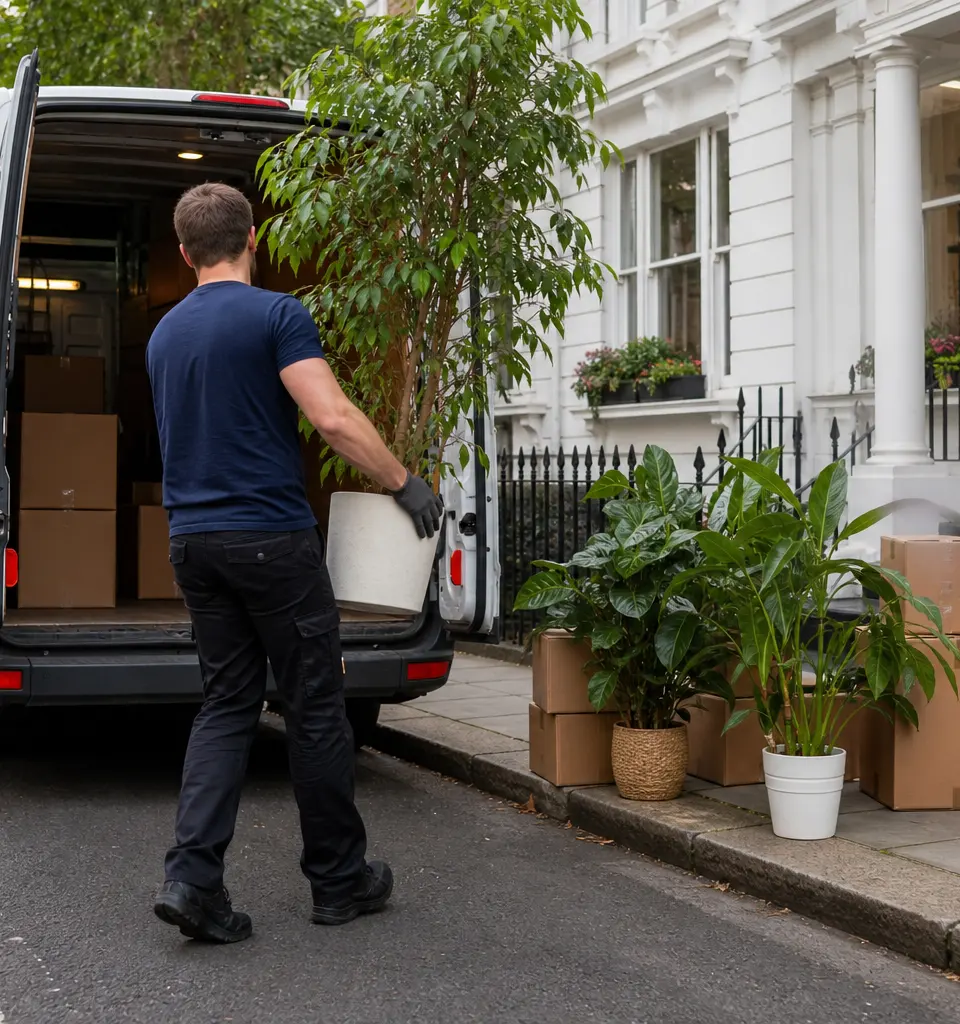
Moving house with plants needs a little extra planning, but with the right preparation you can keep most houseplants healthy and stress-free during transit. This guide covers what to do from a few weeks before moving through to after you arrive, including packing materials, watering schedules, vehicle considerations and quick wins for sensitive specimens.
Quick answer
Start planning 2–4 weeks ahead: inspect and prune, consider repotting or removing excess soil for large plants, reduce watering in the 24–48 hours before moving, pack using breathable covers and secure pots in boxes or crates, transport plants upright in a ventilated vehicle and rehydrate and acclimatise them at your new home. Book a removal or man-and-van job that can accommodate plants, and ask for help with handling large or fragile specimens.
Why plants need special care when moving
Plants are living organisms that react to changes in light, temperature, humidity and disturbance to their roots. A move involves several stressors: displacement, vibration, changes in temperature, and interruption to normal watering and light. Addressing these issues in advance reduces shock, prevents leaf drop, and helps plants recover quickly.
Before the move: 2–4 weeks out
Inventory and prioritise
Make a list of all your plants and rank them by fragility and value to you (emotional or monetary). This helps decide which plants travel with you, which might temporarily stay with a friend, and which could be sold or gifted.
Check the pots and soil
- Replace or repair damaged pots.
- If pots are very heavy when wet, consider repotting into a lighter temporary pot or, for very large outdoor/container specimens, removing excess soil (taking care with the root ball) to reduce weight.
- Label pots clearly with the plant name and care notes (eg "bright light, keep moist").
Prune and tidy
Trim dead foliage and overly long stems to reduce damage in transit. Pruning also reduces wind exposure and makes plants easier to pack. For flowering plants, consider whether to remove spent flowers—this can help the plant focus energy on recovery.
Pest check
Inspect for pests (aphids, mealybugs etc). Treat infestations well before the move; moving infested plants risks spreading pests to new spaces and other plants during transport or storage.
One week to 48 hours before moving
Adjust watering
Overwatering increases weight and risk of soil spillage. Generally, water plants a day or two before moving so soil is moist but not saturated. Succulents and cacti can be watered less to reduce rotting risk; some growers prefer dry transport for these.
Decide on transport method
Smaller plants are easy to move in your car; medium and large specimens may need a removal vehicle. If you’re booking Budget Moves for house removal services in London, tell us you have plants so we can plan handling (see the CTA below for a quick quote).
Packing plants: materials and techniques
Materials you’ll need
- Cardboard boxes (sturdy, vented boxes are ideal)
- Plant stakes and soft ties
- Bubble wrap or corrugated cardboard (avoid wrapping leaves directly)
- Biodegradable or breathable covers (sheets, paper, light horticultural fleece)
- Newspaper or packing paper for stabilising pots
- Plastic trays or saucers to contain loose soil (avoid sealed plastic bags that trap moisture and heat)
- Labels and masking tape
Packing step-by-step
- Group plants by size and light requirements so they can be unpacked into appropriate positions quickly.
- Place small pots into cardboard boxes with holes (or make breathing holes). Use crumpled paper or packing peanuts to stabilise pots so they don’t tip.
- For medium pots, use a box with a removable top or cut-outs that allow the pot rim to rest while supporting the plant. Secure stems with soft ties to stakes if plants are top-heavy.
- Large floor plants may be transported without boxes. Remove ornaments from the base, wrap the pot rim with cardboard and strap the plant to a trolley or keep it upright in the vehicle with straps and cushioning.
- Protect leaves by loosely covering long foliage with sheets or horticultural fleece—avoid tight plastic that can cause condensation and overheating.
Special cases
- Cacti and succulents: handle carefully, use thick gloves, stabilise in boxes so they won’t tip. Transport dry if possible.
- Orchids: shallow trays and minimal soil disturbance; keep them upright and avoid direct heat.
- Large palms and trees: these often need professional handling. If in doubt, discuss options with your removal team.
Day of the move: transport and vehicle considerations
Vehicle environment
Plants prefer stable temperatures and ventilation. Warm vehicles can stress plants; avoid leaving plants in a closed van on a hot day. If possible, travel in a ventilated passenger area or ensure the removal vehicle is well ventilated and not subject to extreme temperature swings.
Loading and securing
- Load plants last and unload first to minimise the time they spend in the vehicle.
- Keep plants upright and secure them to prevent tipping—use straps or cushioning to create stable sections in the van.
- Place delicate foliage away from walkways and high-traffic edges in the vehicle to avoid being crushed during loading and unloading.
Transporting in London
Short urban journeys are usually less stressful than long-distance trips, but prepare for traffic delays and variable weather. If the move coincides with very hot or cold conditions, consider temporary re-homing or rescheduling the transport for the coolest part of the day.
Unloading and immediate aftercare
Placement at the new home
Unpack plants into their approximate new positions according to light and humidity needs. Avoid placing newly moved plants in direct sun straight away—acclimatise them gradually over several days.
Watering and feeding
Wait 24–48 hours after moving before giving a thorough water unless the plant was dry; this lets the plant settle. Avoid feeding (fertiliser) for a few weeks—plants need time to recover before new growth is encouraged.
Monitor for shock
Expect some leaf yellowing or drop in the week after a move. Keep an eye on pests and signs of over/under-watering. Most plants recover if given stable light, humidity and a little patience.
When to get professional help
If you have large indoor trees, mature palms, or valuable specimens, we recommend discussing handling with the removal team. Budget Moves arranges and carries out removals across London and can advise on safe handling and transport for larger plants. For complex jobs, consider booking a move slot that allows careful loading and unloading of fragile plants.
Practical checklist (printable)
- 2–4 weeks: make inventory, prune, pest-check, decide transport method
- 1 week: repot if necessary, gather packing materials, label pots
- 48–24 hours: adjust watering, stabilise soil moisture
- Day of move: pack, load plants last, secure upright in vehicle
- After move: unpack first, place according to light, wait 24–48 hours before watering
Common plant-specific tips
Succulents and cacti
Transport when dry, pad individually to avoid spines puncturing other plants, minimise handling.
Ferns and humidity-loving plants
Keep wrapped in breathable material and avoid exposure to drafts; move during cooler parts of the day where possible.
Large potted trees
Consider root-ball protection and professional lifting/strapping for safety. Discuss options with the removal team before moving date.
Final notes and a quick call-to-action
Moving with plants adds a small layer of complexity to any house move, but most issues are preventable with planning and the right packing. If you’re arranging a house move in London and have plants to transport, Budget Moves provides and arranges removal services across London. The owner personally carries out selected moving jobs and arranges or subcontracts other work through suitable removal professionals depending on the job and availability. Tell us about your plants when you request a quote so we can plan handling and advise on any special packing or transport needs.
Ready to arrange a move that includes your plants? Get a quick quote now: Request a quote and let us know how many and what type of plants you’re moving.
Get a Quote